
With the cost of owning a home continuing to put pressure on household budgets, more New Zealanders are looking for smarter ways to make their property work harder. A Home & Income property can offer one solution, combining a main home with a separate secondary dwelling that can be rented out to provide an additional source of income.
While rental income won’t necessarily cover your entire mortgage, it could make a meaningful contribution towards your repayments, while giving you a flexible space that can evolve with your family over time.
A Home & Income property typically combines a main family home with a smaller, self-contained dwelling. Depending on the design, the two homes may be attached or separate, with the secondary dwelling generally including its own kitchen, bathroom, living area, bedroom or bedrooms and private entrance.
For homeowners, this creates the opportunity to live in one part of the property while renting out the other.
It’s not purely an investment decision either. The secondary dwelling could initially provide rental income and later become a home for ageing parents, adult children or extended family.
The basic idea is simple: rent received from the secondary dwelling creates an additional household income stream that could be put towards mortgage repayments and other property-related expenses.
For example, if a secondary dwelling was rented for $500 per week, that would generate gross rental income of around $26,000 per year before expenses and tax.
The actual amount you receive will depend on your location, the size and quality of the dwelling, local rental demand and other factors. It’s worth researching market rents in your area rather than assuming a particular level of income. Tenancy Services provides market-rent information based on bonds lodged for properties around New Zealand.
It’s also important to remember that rental income is generally taxable in New Zealand. Inland Revenue advises that rental income needs to be declared, with allowable rental expenses taken into account when calculating taxable rental income.
Potentially. Some lenders may take rental income into account when assessing a home loan application, although their criteria and the proportion of rental income they recognise can vary.
That means a Home & Income property may provide options for buyers who want to increase their household income while building a home designed for longer-term flexibility.
Before making decisions based on anticipated rent, talk to your bank or mortgage adviser about how rental income would be treated in your particular circumstances.
When considering whether Home & Income is right for you, it’s important to look at the bigger financial picture rather than simply multiplying the weekly rent by 52.
Consider:
If the secondary dwelling will be rented, you'll also need to meet your responsibilities as a landlord. Rental properties must comply with relevant building, health and safety requirements and the Healthy Homes standards.
A well-designed Home & Income property should give both households a sense of independence and privacy.
Separate entrances are important, but also think about the placement of windows, outdoor areas and parking. Good acoustic separation between living spaces can make a significant difference to everyday comfort.
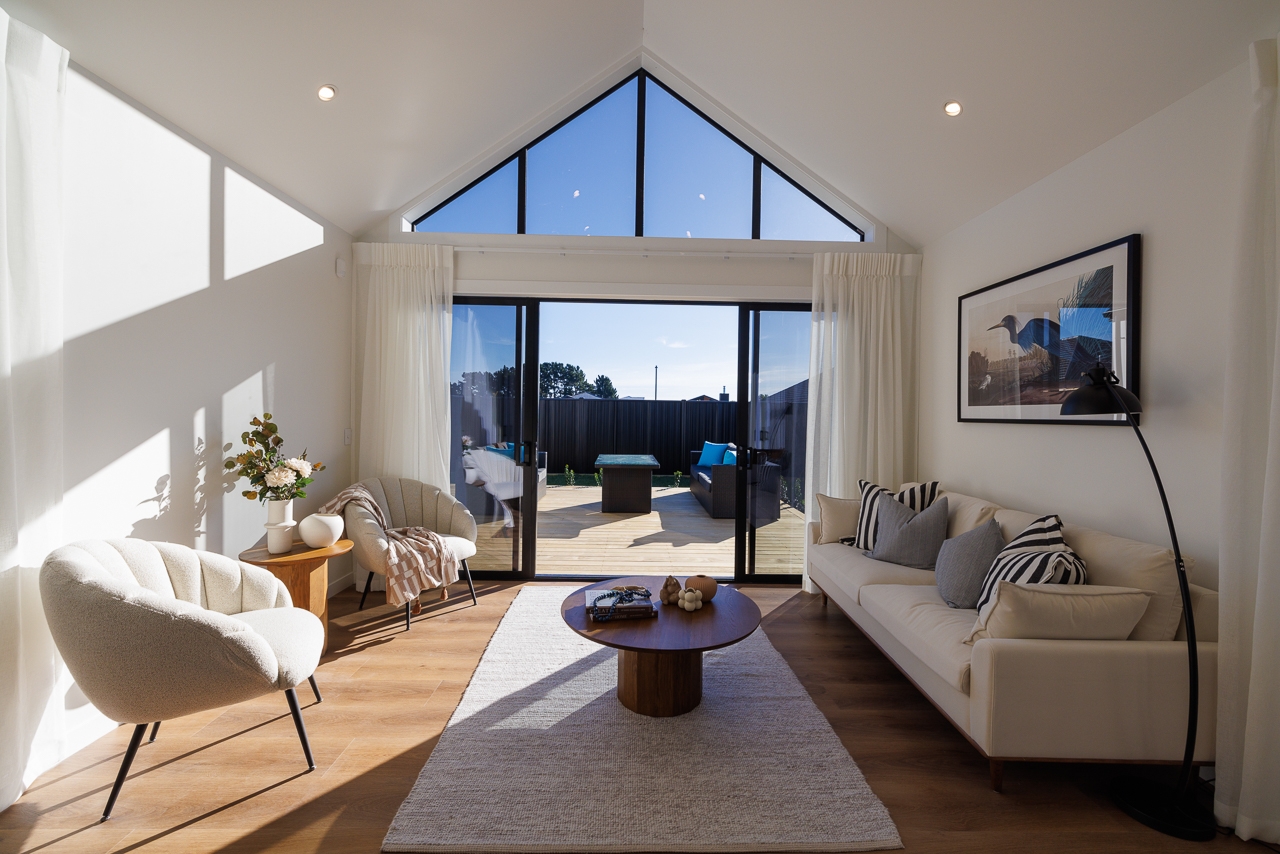
The layout of the secondary dwelling matters too. Open-plan living, good storage and a well-designed kitchen can make a compact footprint feel significantly more spacious and appealing to tenants.
One of the biggest advantages of Home & Income is that the secondary dwelling doesn't have to serve the same purpose forever.
Today, it might provide rental income to help with the mortgage. In the future, it could provide an independent home for a parent, somewhere for an adult child to live while saving for their own home, guest accommodation, or simply additional space as your lifestyle changes.
That flexibility can make Home & Income an appealing option for people thinking not only about how they'll afford their home today, but how they might use it in five, ten or twenty years.
If you're considering building a new home and would like an additional source of income, a Home & Income design is worth exploring.
The right design could help you generate rental income, contribute towards your mortgage and create a home that can adapt as your family's needs change.
At Generation Homes, our Home & Income plans are designed to provide comfortable, independent living spaces while making the most of your property.
Explore our range of Home & Income plans and talk to our local sales team about creating a home that works for you today and into the future.